En Liège‘s Exquisite Organic Cork
What is “Cork”?
When you hear the word “cork,” many of you likely think of wine stoppers. But do you know what the raw material actually is?
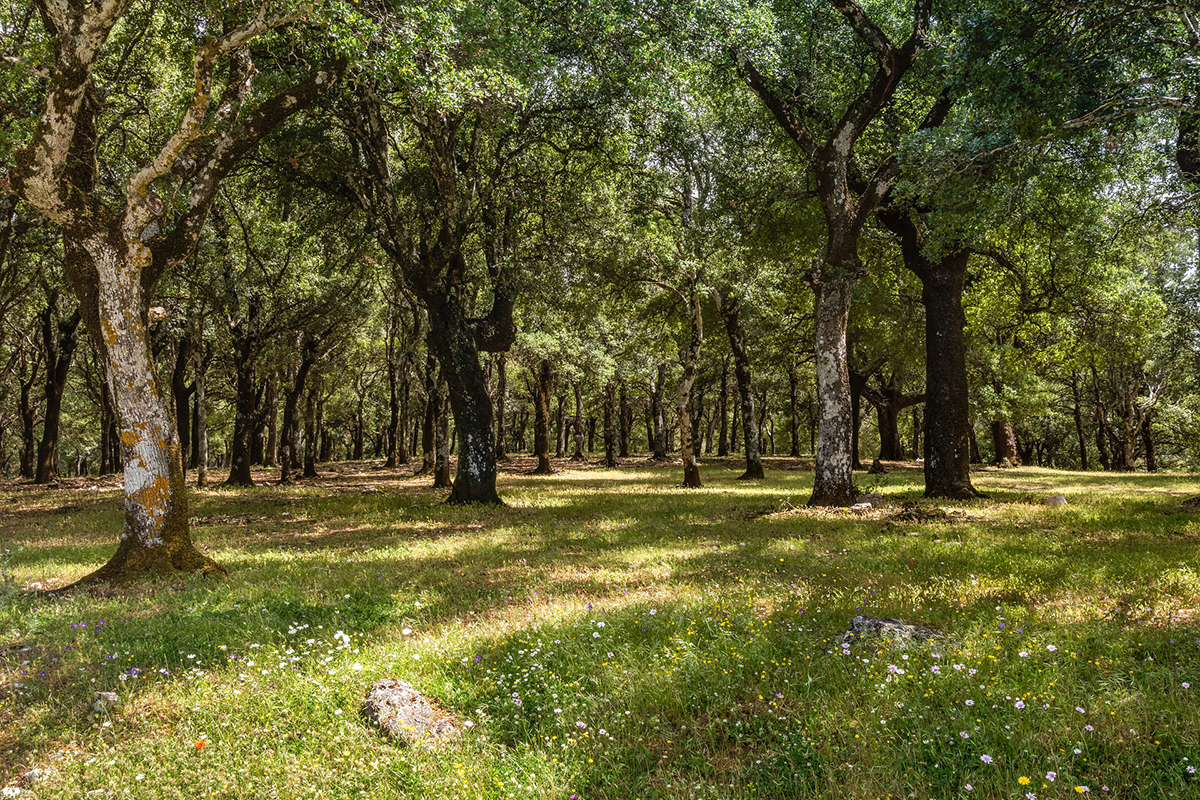
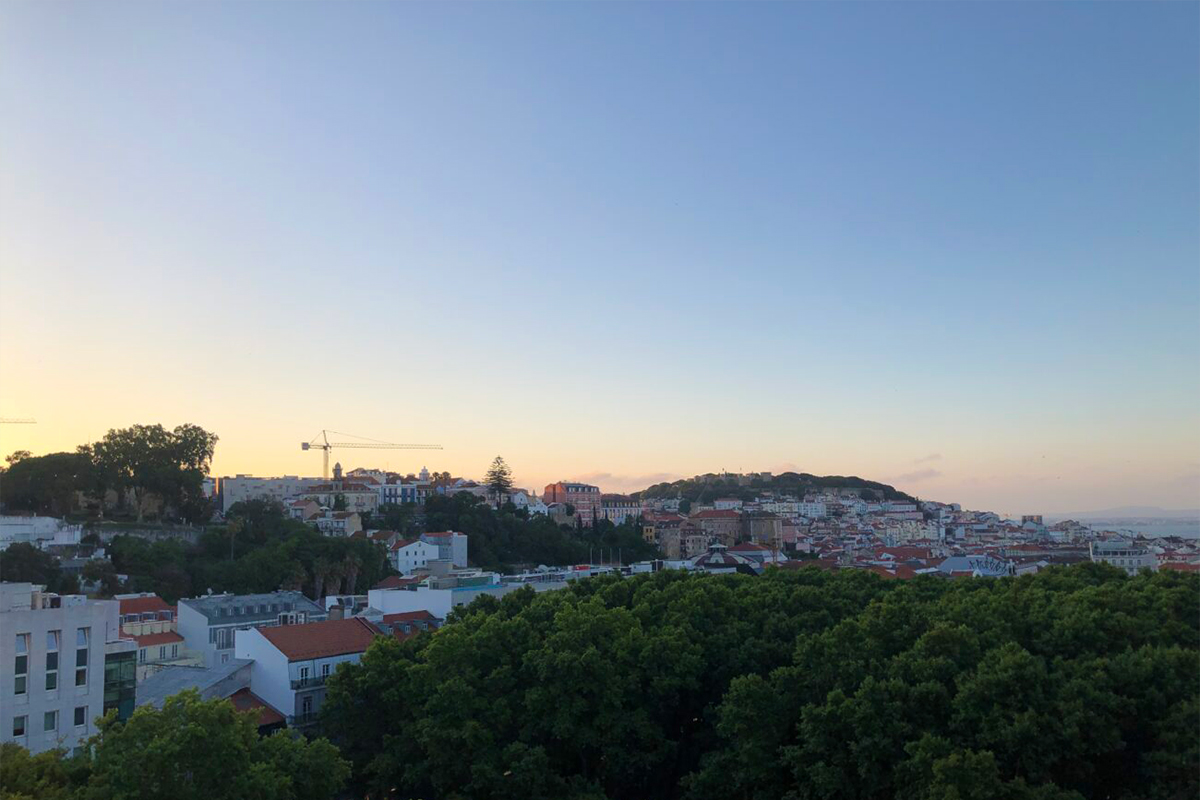
Cork is made from the bark of the cork oak tree, which grows along the Mediterranean coast. Most of it is harvested in Portugal. Because the Portuguese climate provides the ideal environment for its growth, Portuguese cork is considered to be of the highest quality.
Uses for Cork Oak
A cork oak tree reaches maturity at 20 years of age. During its lifespan of 200 to 300 years, the bark can be harvested every nine years without ever cutting down the tree. For this reason, it is attracting attention as a renewable and sustainable resource.
The intended use varies depending on the harvest cycle. The cork harvested for the first time after the tree matures is called “virgin cork,” and the second harvest is known as “secondary cork.” Due to their hard and uneven texture, these cannot be used for wine stoppers and are instead utilized as construction materials for walls and floors.
Cork harvested from the third time onwards is high-quality cork known as “amadia cork.” First, the highly sought-after wine stoppers are punched out, and the remaining fragments are used to produce by-products, ensuring nothing is wasted.
Cork is Environmentally Friendly
Cork oak forests along the Mediterranean coast prevent desertification in Southern Europe and support the ecosystems of flora and fauna, including rare species like the Iberian lynx. Acorns from the cork oak also serve as feed for Iberian pigs.
Furthermore, cork forests contribute significantly to preventing global warming. A harvested cork tree absorbs three to five times more carbon dioxide than usual. It is said that the cork oak forests in Portugal alone absorb 4.8 million tons of CO2 annually, with the entire Mediterranean region absorbing 14 million tons.
Cork is an eco-friendly resource because it does not require the trees to be felled, utilizes all materials, and helps prevent global warming.
En Liège‘s Commitment to “Organic Cork”
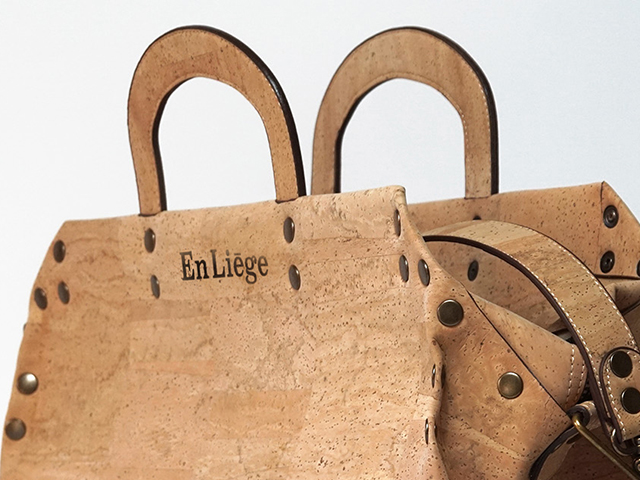
En Liège specializes in organic, natural cork. Our commitment to organic quality begins with the very soil in which the trees are grown.
We plant cork oaks in organic groves using soil completely free of chemical fertilizers, utilizing only the bark from trees that have been meticulously cared for.
Harvested organic cork is cleaned using thermal shock without the use of peroxides, preserving the cork’s original, natural brown color. This chemical-free process also reduces the physical burden on factory workers. Instead of silicone to create a smooth texture, we use organic beeswax.
Delivering High-Quality and Gentle Products
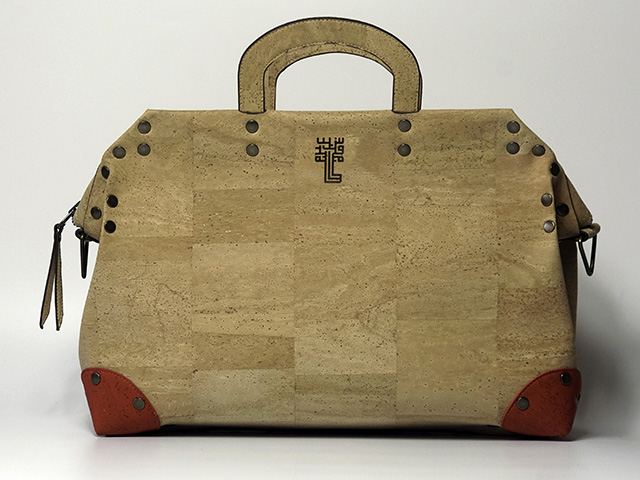
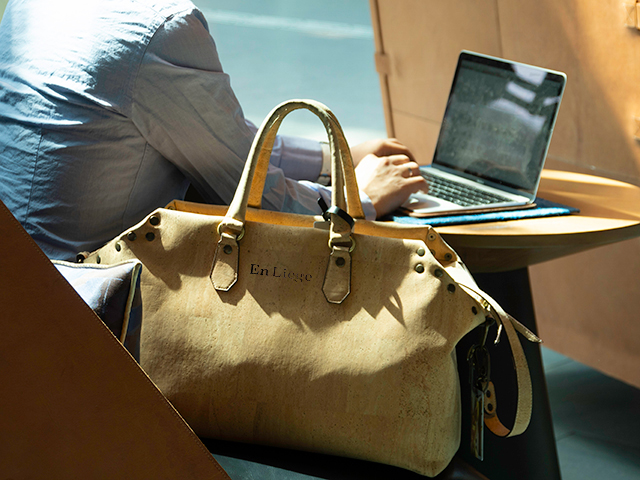
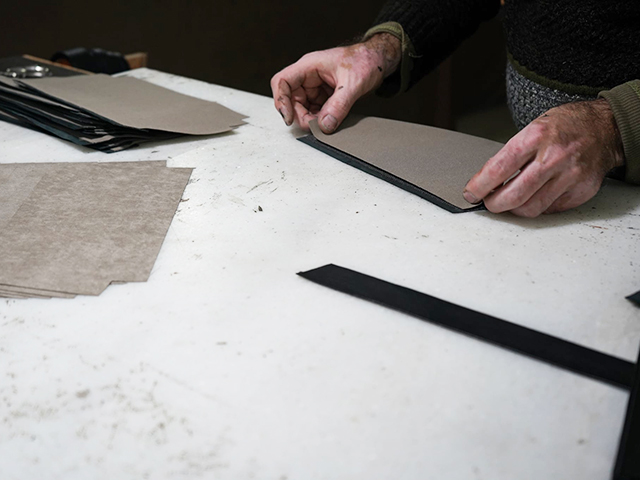
We are dedicated to thoughtful craftsmanship. By using cork leather that prioritizes nature, the working environment, and material quality, we hope to provide our customers with an opportunity to consider ethical consumption and protect the global environment while enjoying sophisticated fashion.
We hope to serve as a bridge that brings the concept of “sustainability” much closer to your daily life.